The Congress of Vienna (1814-1815)
- Redrew Political Lines of Europe.
- Reflected interests of the negotiating powers (England, Austria, Prussia)
- Concert of Europe

- Congress of Vienna (1814-1815): A conference of European powers to restore order and balance of power after the Napoleonic Wars.
- Main goal was to create stable and lasting peace.
- Redrew the map of Europe.
- Restored monarchies and established a framework for international diplomacy.
- Strong centralized empires replaced the fragmented states of the early modern period.
- German confederation:
- 39 states
- Austria and Prussia were the two dominant powers.
- Replaced hundreds of states with 39.
- Reflected interests of the negotiating powers (England, Austria, Prussia)
- Balance of Power
- The idea that no single nation should dominate Europe, leading to alliances and treaties to maintain stability.
- Larger powers balance them out and act as shepherds.
- England and Austria were particularly concerned about the rise of France and sought to contain its influence.
- Prussia gained power from Swedish Pomerania, Saxony, and the Duchy of Warsaw..
- Austria gained most of N. Italy.
- Reactionary settlement for the benefit of traditional monarchs.
- For instance, Holy Alliance (1814): Austria, Prussia, and Russia pledged to uphold Christian values and maintain the status quo.
- Anti-Republicanism, anti-secularism, agree to combat any threat of revolution or republicanism.
- For instance, Holy Alliance (1814): Austria, Prussia, and Russia pledged to uphold Christian values and maintain the status quo.
- Balance of Power
Conservatism Vs Liberalism
- Conservatism
- Anti-Revolutionary ideas.
- Support for traditional monarchies and social hierarchies.
- Traditional values and institutions (Christianity)
- Rule by the traditional elites.
- The moral economy.
- Liberalism
- Constitutional government.
- Expanding the Franchise.
- Politics of the new middle class.
- The invisible hand of the economy.
- Conservatism
- Reactionary ideology that emerged in response to the French Revolution and Napoleonic Wars.
- Advocated for the preservation of established institutions, monarchies, and social hierarchies.
- Emphasized the importance of tradition, religion, and order in society.
- Key figures: Edmund Burke (British statesman), Klemens von Metternich (Austrian diplomat).
- Burke was a proponent of underpinning virtues with manners in society and of the importance of religious institutions for the moral stability and good of the state.
- In his Reflections on the Revolution in France (1790), Burke asserted that the revolution was destroying the fabric of good society and traditional institutions of state and society, and he condemned the persecution of the Catholic Church that resulted from it.
- Burke was a proponent of underpinning virtues with manners in society and of the importance of religious institutions for the moral stability and good of the state.
- Liberalism
- Political philosophy that emerged in the 18th and 19th centuries advocating for individual freedoms, constitutional government, and economic liberalism.
- Emphasized the protection of civil liberties, the rule of law, and the promotion of free markets.
- Key figures: John Stuart Mill (British philosopher), Adam Smith (Scottish economist).
- Mill advocated for individual liberty, freedom of expression, and representative government.
- Smith’s ideas on free markets and the “invisible hand” influenced economic liberalism and capitalism.
The Middle Class
- Not Nobles.
- Not Peasants.
- Well-to-do to rich urban class.
- guild masters, merchants, bankers
- Existed since 1500s.
- Prominent after 1750s.
Middle Class Culture in the Revolution
- Sans culottes (without breeches)
- Bourgeoisie fashion
Liberalism and the Middle Class
- The Franchise.
- Representation.
- The ideas of the French Revolution were good.
- England: Reform Act (1832)
- Reduces property requirements to vote.
- ~200,000 => ~400,000 voters
Liberalism Ambiguities
- Family and social order.
- Separate spheres for men and women.
- Fear of popular revolt: paid police force.
Nationalism
- Common history, culture, language.
- Nations without Countries and Countries of multiple nations.
- Greece, Ireland.
- Creating a nation.
- Inventing Tradition
- The Scottish Kilt
- Folk Tales & Grimm’s Fairy Tales.
The Greek Revolution
- Greek Revolution (1821-29).
- Early Success
- Egyptian intervention:
- Ibrahim Pasha.
- Russian, British, French support in 1825.
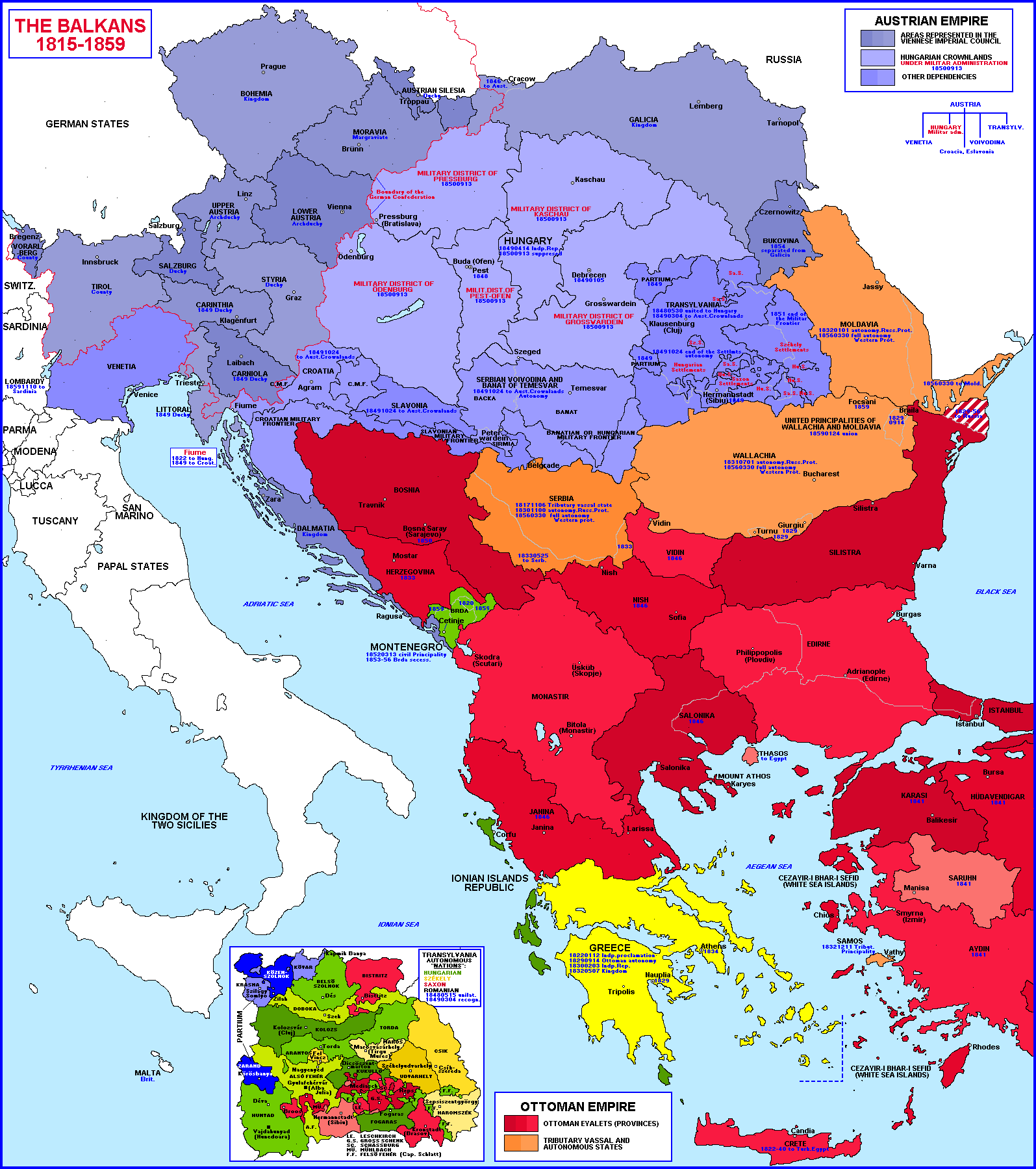
- Greek Revolution (1821-29)
- Greek nationalists sought independence from the Ottoman Empire, inspired by Enlightenment ideals and the success of other revolutions.
- Early successes were met with harsh Ottoman reprisals, leading to widespread atrocities.
- Egyptian intervention under Ibrahim Pasha helped suppress the revolt initially.
- International support from Russia, Britain, and France in 1825 ultimately led to Greek independence with the Treaty of Constantinople in 1832.
- First example of a nationalist movement in Europe that successfully achieved independence from a larger empire, setting a precedent for future nationalist movements across the continent.
- Serbia (1830), Bulgaria (1878), Romania (1878) followed.