Let’s Start by Talking About Weisner-Hanks and Absolutism
- What was absolutism in theory?
- How did it work in practice?
- Natural limits to absolutism?
- Practical limits to absolutism?
- Theory
- Encouraged adoption of new crops. (cameralist approach)
- Russian tsar forcing people to cut beards.
- Practice
- Natural Limits:
- King followed natural law and God’s law.
- Act like a more responsible father.
- Practical limits:
- Divergent criminal and legal systems.
- Nobles held considerable military and financial power.
- might create new laws but couldn’t do away with privileges already existing.
- Natural Limits:
- Absolutism was a joint venture.
- Successful leaders coopted rather than crushed elites.
- “Those elites remained the dominant group in the more ‘constitutionalis’ states of Britain and the Netherlands as well, creating similarities across Europe rather than a sharp dichotomy between limited and absolute monarchy.”
- Legal, customary privileges.
- Geographic and cultural realities.
- 3 weeks to cross France in 1600.
- Maria Theresa (r. 1740-80) created grammar schools, Hungarians refused to send their kids, she couldn’t do anything about it.
- No way to enforce Peter’s rules.
- Some proclamations generated vehement violence.
Absolutism
- The System Before Absolutism
- End of the Wars of Religion
- A Fundamental Problem:
- Composite States
Absolutism, Part II
- Absolutism: What was it not?
- Absolutism: What was it?
- Where was it?
- France
- Spain
- Holy Roman Empire
Absolutism vs Constitutionalism, a Myth?
- Nobles and Monarchies collaborated to centralize more power within the state to grow financially and politically.
- Where that collaboration broke down, war broke out.
- Difference was who led the centralizing effort: the monarch or the nobles.
- “Those elites remained the dominant group in the more ‘constitutionalist’ states of Britain and the Netherlands as well, creating similarities across Europe rather than a sharp dichotomy between limited and absolute monarchy.”
The French System: More Struggles
- Louis XIII (r. 1610-1643)
- Armand-Jean du Plessis, Cardinal Richelieu (1585-1642)
- The Later Wars of Religion (1620-1629)
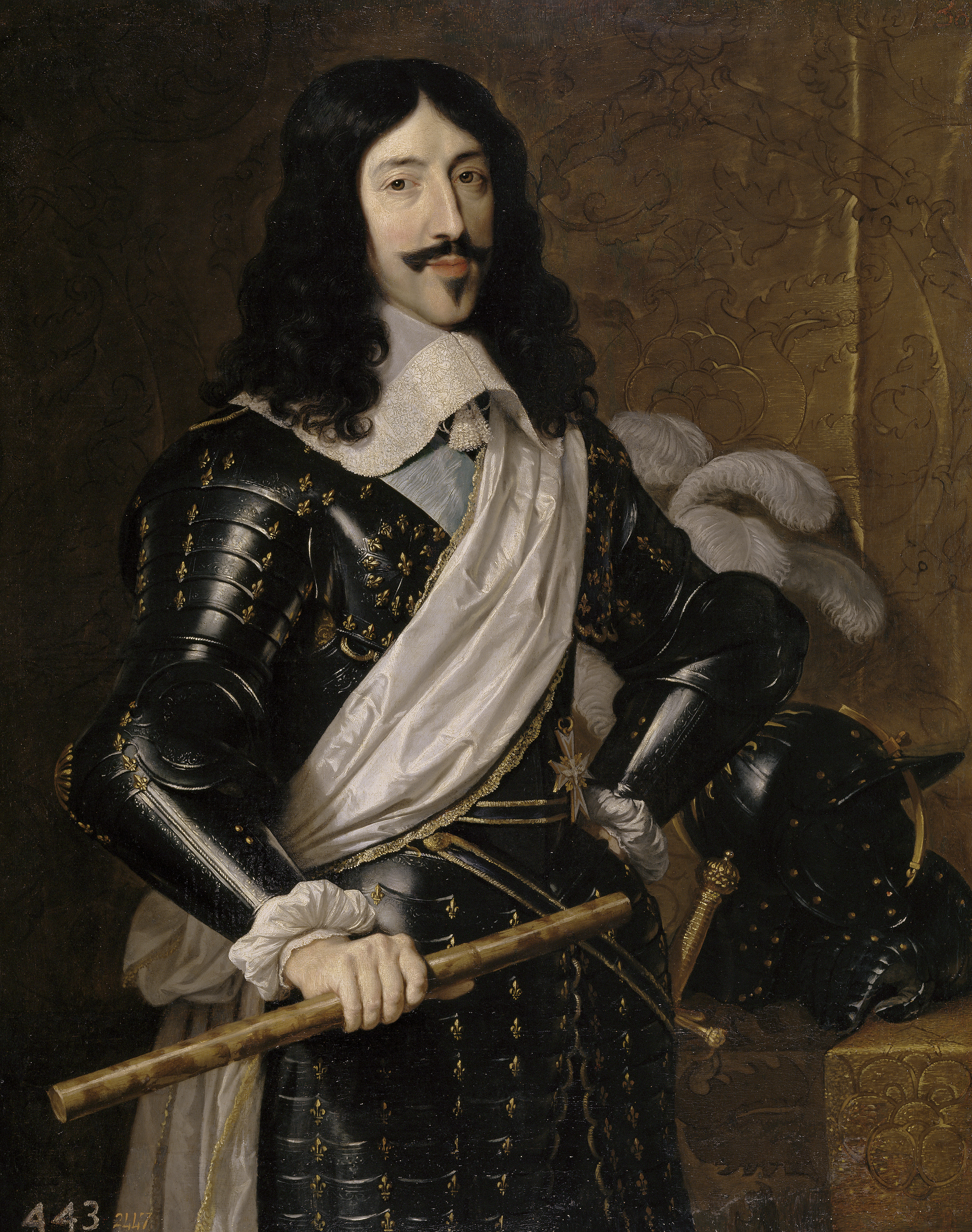
- More wars of religion broke out in France from 1620-1629
- These were truly wars between nobles trying to protect their perceived religious privileges of the edict of Nantes.
- At first the crown interpreted this as a war against recalcitrant nobles.
- It later became one against the Huguenots.
The French System: Centralizing Patronage
- Cultural Patronage
- Intendants
- Great Nobles and the Army
- Cultural Patronage
- dedicated to increasing royal power
- Recruited writers at the royal court - defended crown policies
- Patronized a newspaper called La Gazette.
- Even in relations with nobles, patronage emanated - grand nobles replaced other grand nobles in provincial governor positions - those grandees who were within Richelieu’s network received greatest dividends.
- Intendants
- appointed directly by the monarch
- Had authority over certain districts - in charge of collecting taxes - recruiting men for the army
- Took away many of the powers of the regional governors
- They also received nobility - became part of the nobility of the robe - those who became ennobled by - as opposed to the nobility of the sword - those who fought.
- Great Nobles and the Army
- demonstrates limits of absolutism
- Still largely dependent on the ability of the
- Regional Nobility
- were not left out
- They still got their money from their lands,
- They were increasingly encouraged to attend the royal court. - This became a location for further decentralization. - Dependent on credit, organization, and local connections for the French officer corps - But royal patronage was reaching directly to those officer corps - Not the noble governors.
The French System: The Fronde (or Revolt): 1648-1653
Anne of Austria, regent (r. 1643-1651)
Jules Mazarin (1602-1666)
Rebellion of Parlementaires and Great Nobles
Louis XIV declares his majority (1651)
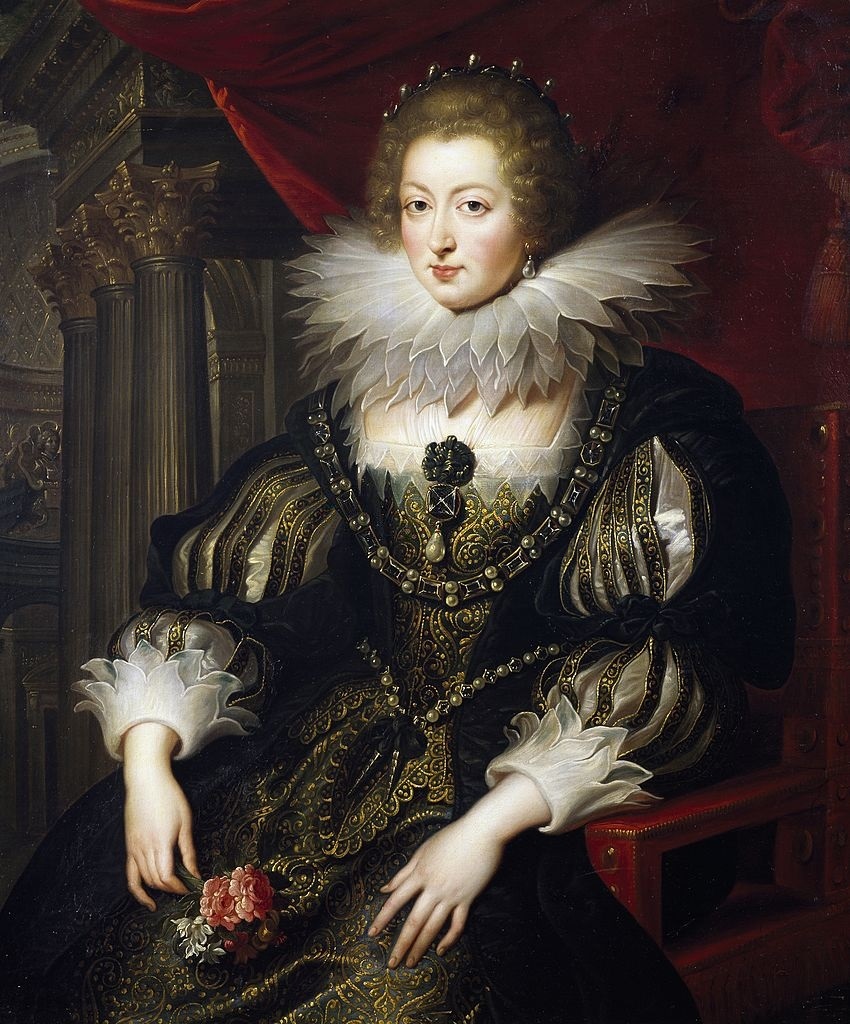
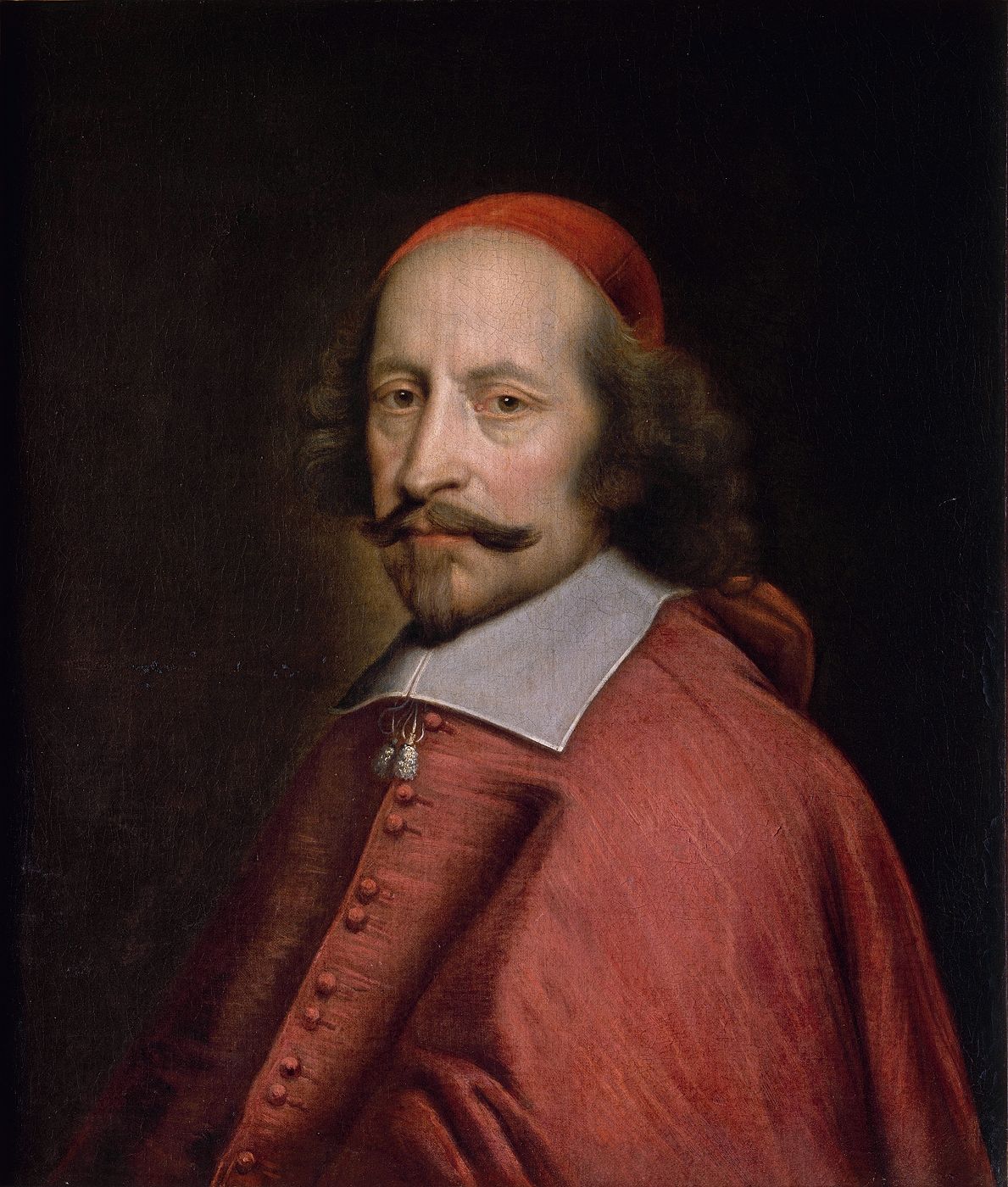


Absolutism of Louis XIV (r. 1643-1715)
Louis XIV declares personal rule (1661)
Expansion of the Intendants and Taxation
Centralization of the Military
Expansion of the Royal Court: Versailles

- Continued Richelieu’s plans
- 1661 ruled without a minister
- Centralization of hte Military
- Creates a Minister of War (Louvois) - in charge of organizing the military - organizing the the conscription of the military - most of it comes from france - organizes the tactics of the army and the strategy. - But great nobles continue to control - decentralized in organization, but with a centralized (vertical) patronage system. - “princes, peers, and courtiers owned between them dozens of regiments, encompassing hundreds of thousands of men,” - difference was that Louis XIV had made their interests more closely aligned. - centrally provisioned and rewarded by the monarchy - was not the product of a risk of the army being used against the grand nobles - aligned the sights of the regiments and commanders with a centralized plan.
- Colbert
- Large Court : Versailles (1668-1682)
- Glorious building meant to demonstrate the magnanomy of hte crown
- the court became huge because it was the center of patronage for the whole country - the great nobles wanted to go there - if you wanted a military commission, you would get it there. - the power and wealth of the nobles who attended increased.
- But still spent more time away from Versailles than at it
Absolutism in France
Outcomes
- Cooperation with Elites
- Government controlled by 2% of the population
- Crown coordinated with the elites of society to rule the country
- crown became the source of patronage
- access to court = access to power - the point from which military commissions were doled out - a lucrative
- the crown created
- Basically 1-2% of the population controlled the government under the patronage of the king.
- When the elites and the
Constitutionalism in England
- James VI and I (r. 1567-1625, 1603-1625)
- Problems
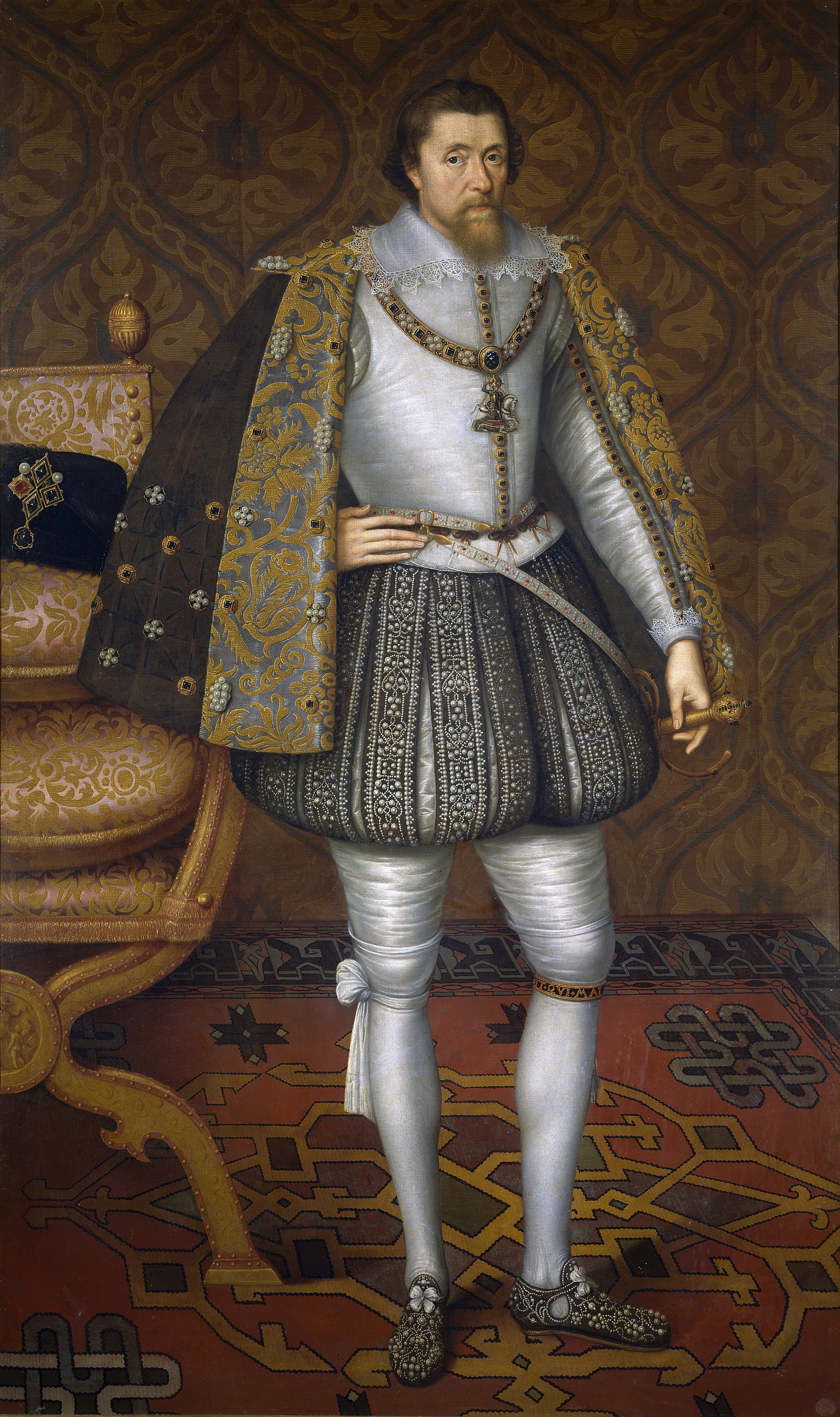
- King of Scotland (r. ).
- Saw himself the natural head of England (the father of the country) only responsible to God.
- Parliament had gained a series of powers over the sixteenth century: - house of lords: - the peers of the country (high nobility) - specifically the house of commons: - full of wealthy merchants and professionals. - full of the lower nobility.
- 2 problems
- Religion: - James grew up in the Presbyterian church in Scotland - large group of Puritans in England wanted to purify the church - They hoped James would support them. - He didn’t: He saw the Bishops as a source of power for him - “No bishop, no king.”–James I
- Debts: - War with Spain due to English support for the Netherlands - 1588: the Spanish Armada fails. - caused a lot of debt for England. - this gave commons a lot of power - they leveraged the debts to expand their powers - created a pattern for first 30 years of the 1600s: - battle between the commons and king. - the commons for instance refused to ratify the union of Scotland and England (James was the king of Scotland and England).
Charles I (r. 1625-1649): Causing a Break
- Dissolves Parliament (1629)
- Religious Problems: Wife
- Religious Problems: Calvinism in Scotland
- Scottish nobles invade (1640)

- Dissolves Parliament (1629)
- the disputes of James I continued under Charles I
- in 1629, he dissolved Parliament.
- Passing New Taxes
- he expanded existing taxes to support government - charged inland cities and port towns “ship money” for defense. - many thought these processes illegal
- Religious Changes
- he married Henrietta Maria of France - daughter if Henri IV and Marie de Medici - she was a good catholic.
- Many feaful of two things: - Charles I was too close to Catholicism - His children would in fact be catholic
- This was a big enough problem that Henrietta Maria was never coronated officially in the English church.
- The situation worsened when Charles I orderd more elaborate ceremonies and services that were a little more similar to the Catholic rites.
- As part of this, Charles I tried to introduce a new prayer book in Scotland
- Calvinism in Scotland
- Calvinism took root in Scotland.
- church led by Presbyterians (church elders selected by the community) the system instituted by Calvin - the idea of a more Catholic styled religious system instituted by king was impossible to imagine
- invasion of England by Scottish nobles (1640)
- To prevent the institution of the church of England in Scotland
English Revolution (1642-1651)
- Parliament Recalled (1640)
- King’s army & Parliament’s army
- Fighting Begin in 1642
- Calls Parliament (1640)
- Dominated by men with grievances already against the king.
- They voted to limit his powers - forced him to call parliament 1 every 3 years - king cannot dissolve parliament without its approval. - forced Charles to remove his archbishop of Canterbury.
- Charles forced to meet the demands
- Made worse when Ireland began to rebel and many English Catholics joined their co-religionists
- Caused many in commons to call for taking power over raising an army, organizing the church and appointing judges. - Charles I responded by organizing his own army that was loyal to him. - made up of nobles and gentry loyal to him.
- two armies: - the parliament army - the royal army
- Fighting Begins 1642
Interregnum (1649-1660): The Rise of Oliver Cromwell
- Oliver Cromwell (1599-1658)
- Charles I captured and executed (1649)
- Institute of Government (1653)

- oliver Cromwell (1599-1658)
- member of gentry
- leader of house of commons
- convinced parliament to create a new army - new model army - used sermons and hymns to motivate the army - paide it really well - created a formidable fighting force. - Charles surrenders, when Cromwell captured the king
- Reform - Cromwell dismissed member of parliament who disagreed with him - abolished house of lords - tried charles I for high treason - executed him
- Institute of Government (1653)
- new government
- made parliament supreme
- Cromwell the head of executive as the Lord Protector
- declared state of emergency - granted Cromwell more power - proclaimed quasi martial law - divided countries into 12 districts - ruthlessly put down the Irish rebellion - caused source of major discontent - by end, Catholics owned less than 10% of land
- inforced Puritan measures despite outward proclamation of religious freedom. - closed theaters - banned sports - banned newspapers
- Support for Charles II (r. 1660-1685)
- Charles II in France - fled during the uprising
- Cromwell dies (1658) - divisions develop.
The Glorious Revolution (1688)
Charles II (r. 1660-1685)
James II (r. 1685-1688)
The Revolution: William and Mary (r.1689-1702)
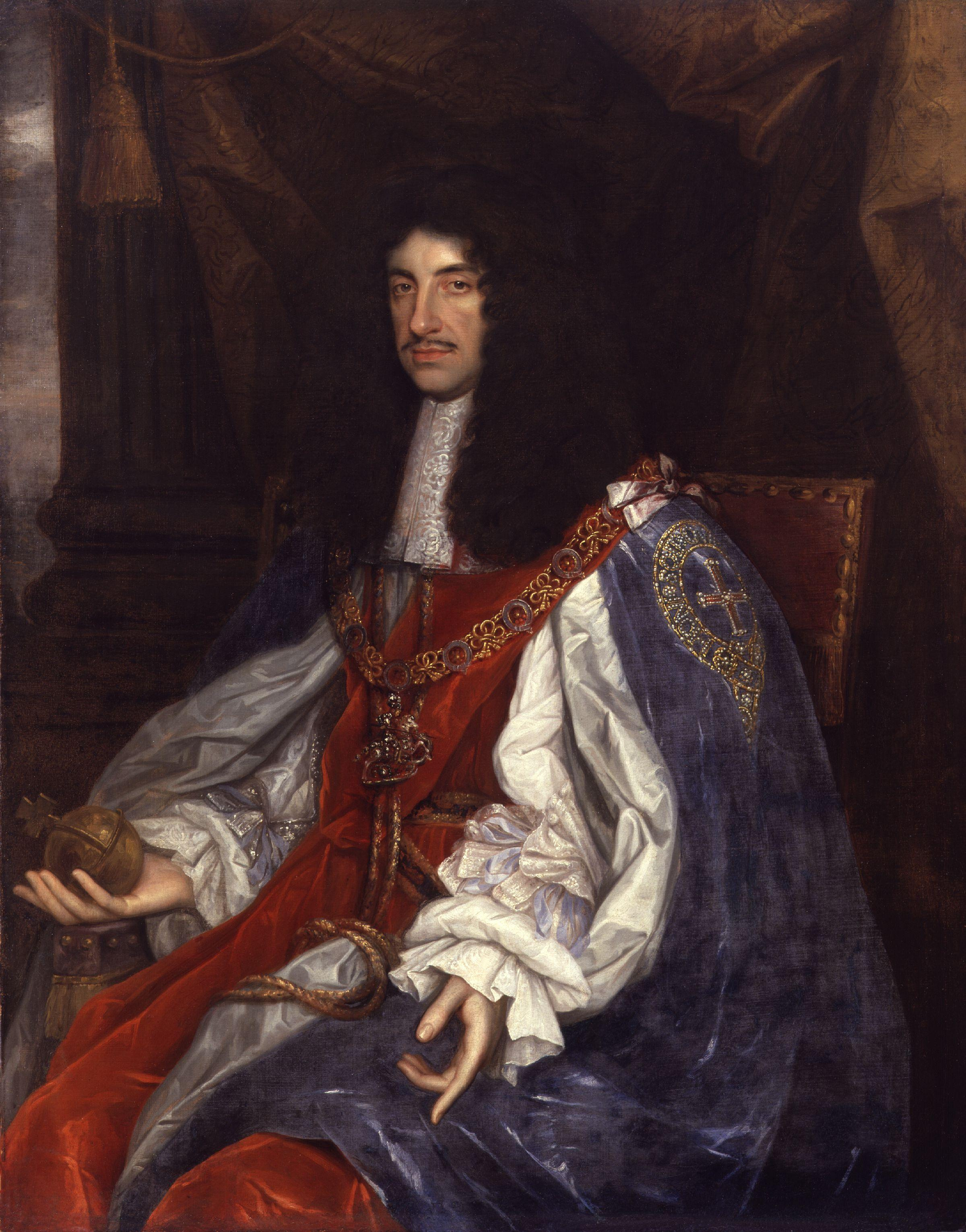


- Support for Charles II (r. 1660-1685)
- Charles II in France - fled during the uprising
- Cromwell dies (1658) - divisions develop.
- Charles II returns (1660) - monarchy returns - anglican church returns - along with bishops, etc. - those who refused communion in Anglican chruch could not vote - could not hold public office - could not attend university - could not preach
- Problems
- Charles ruled through parliament - his advisors came from parliament - parliament agreed to fund his government - but in reality it wasn’t enough
- Charles II reached out to France for support (1670) - Louis XIV promised to support Charles II monetarily if he promised to slowly return England to Catholicism.
- led to widespread anti-Catholic histeria
- James II
- problems got worse when Charles II died and his brother James II took over
- Parliament tried to prevent his assension to the throne, but couldn’t get enough votes
- Created another series of tug of war between king and parliament
- the last straw came when his wife gave birth to a son
- Glorious Revolution (1688)
- House of commons invited James protestant sists mary and her husband William (Dutch Prince from the house of Orange-Nassau) as the new monarchs (William was also a grandson of Charles I.
- Wiliam invades England in 1688 - James II, wife, and son flee to France - Parliament name William as the new king of france. - They explicitly recognize that parliamen and the king shared sovereignty.
- Agree to a bill of Rights - forbade interefence in the making and inforcing of laws - forbade creation of standing army during peacetime. - allowed limited religious toleration
- After William and MAry died - crown passed to Mary’s sister Anne - Anne had no kids - crown passed to her distant protestant cousin George who was the prince of a small principality of Hanover in Germany. in 1714.
English Constitutionalism: Outcomes
The Rise of the Gentry
Voting Rights: ~2-3% of the population
Charles Howard, Duke of Norfolk (1746-1815)
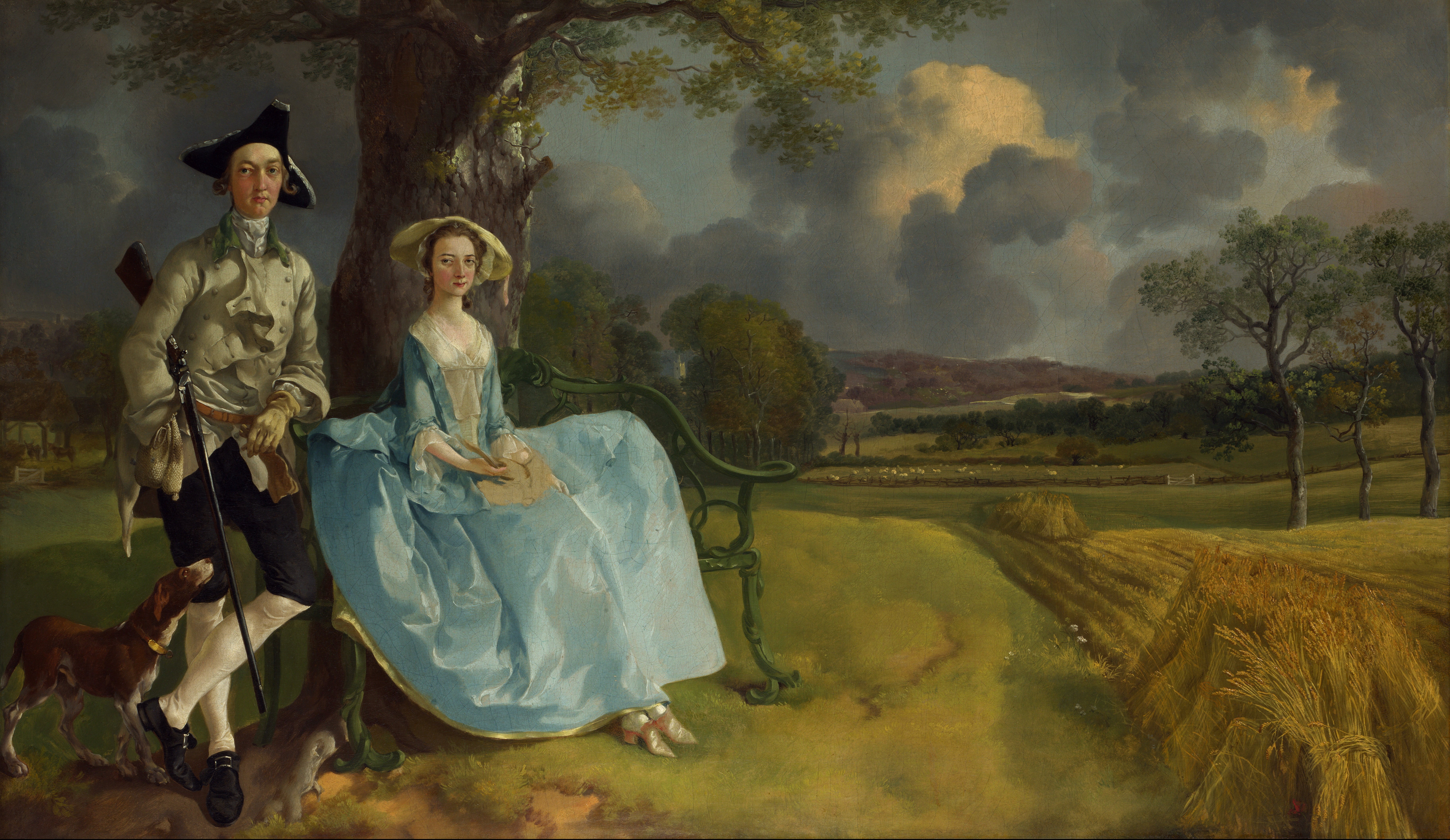

- Gentry became the most powerful group in England.
- **Only about 2% of population could participate in this process.
- In effect though, some major patrons effectively controlled large amount of members of parliament
- in 1770, for instance, Charles Howard, Duke of Norfolk controlled 11 buroughs (voting districts) and effectively determined the members of parliament from those locations. - did so through his patronage. - HE was the most powerful lord in the regions and handed down patronage
- access to local positions
- access to parliament.
- so on and so forth.
- Government operated through collaboration between this 2% and the crown
- when that cooperation broke down, civil war broke out
- or the crown was replaced.
- Main difference was that the greater amount of power was held by the parliament here.
- But generally speaking, we are talking about
- a small group of people controlling society
- the difference was who had the greater amount of power.
- a small group of people controlling society