Absolutism vs Constitutionalism

The French System vs The English System

Let’s Start by Talking About Weisner-Hanks and Absolutism

  • What was absolutism in theory?
  • How did it work in practice?
    • Natural limits to absolutism?
    • Practical limits to absolutism?

Absolutism

  • The System Before Absolutism
  • End of the Wars of Religion
  • A Fundamental Problem:
    • Composite States

Absolutism, Part II

  • Absolutism: What was it not?
  • Absolutism: What was it?
  • Where was it?
    • France
    • Spain
    • Holy Roman Empire

Absolutism vs Constitutionalism, a Myth?

  • Nobles and Monarchies collaborated to centralize more power within the state to grow financially and politically.
  • Where that collaboration broke down, war broke out.
  • Difference was who led the centralizing effort: the monarch or the nobles.

The French System: More Struggles

  • Louis XIII (r. 1610-1643)
  • Armand-Jean du Plessis, Cardinal Richelieu (1585-1642)
  • The Later Wars of Religion (1620-1629)
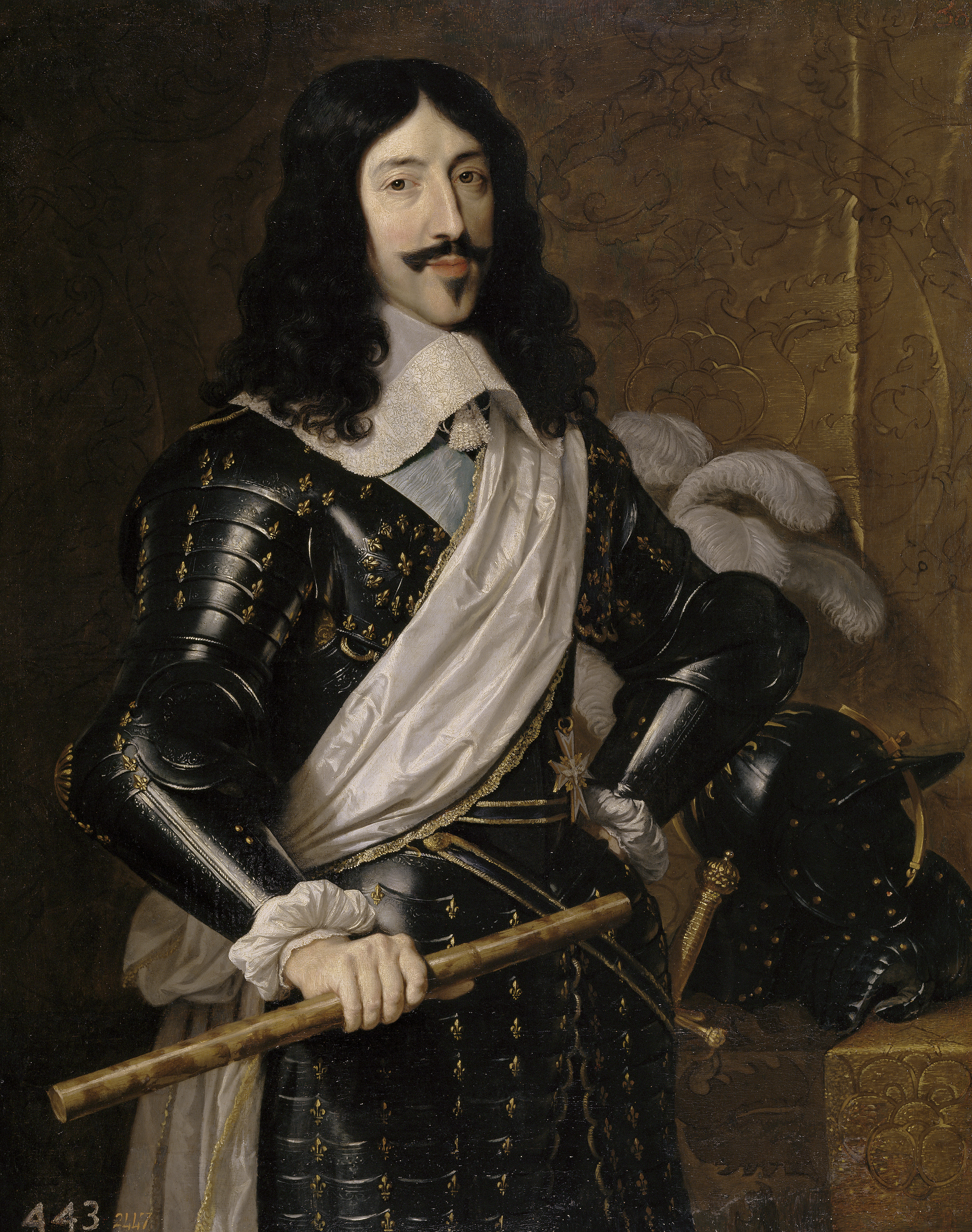
Portrait of Louis XIII

The French System: Centralizing Patronage

  • Cultural Patronage
  • Intendants
  • Great Nobles and the Army

The French System: The Fronde (or Revolt): 1648-1653

Anne of Austria, regent (r. 1643-1651)

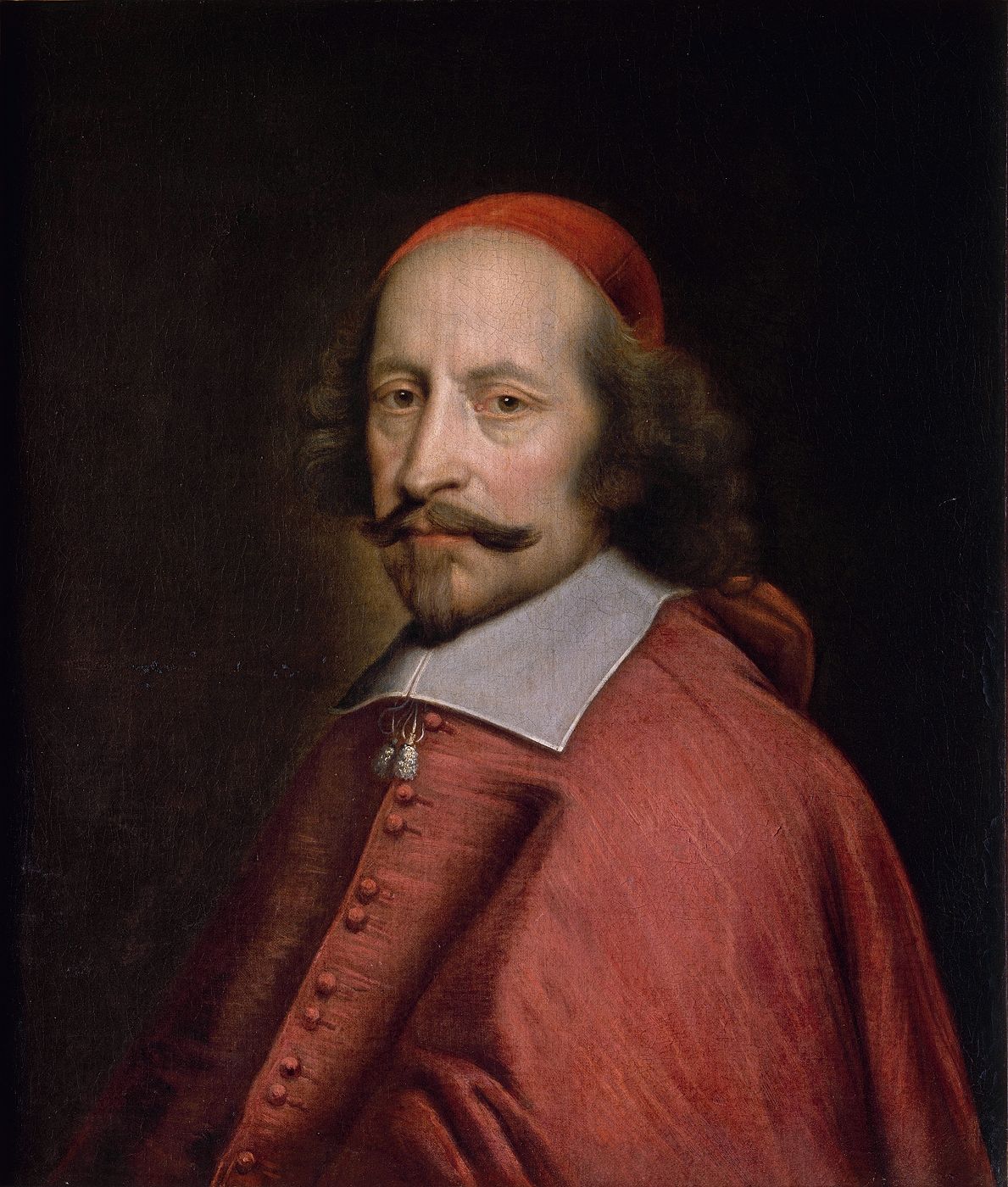
Jules Mazarin (1602-1666)

Rebellion of Parlementaires and Great Nobles

Louis XIV declares his majority (1651)
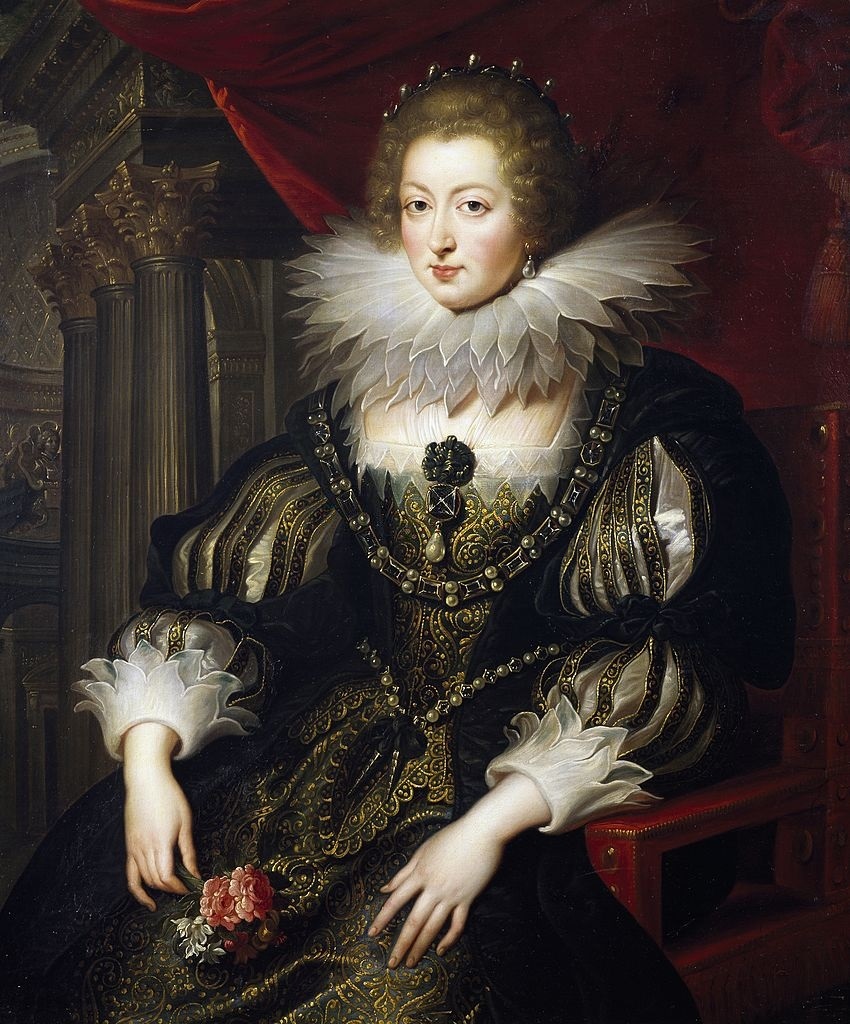
Portrait of Anne of Austria

Portrait of Jules Mazarin

Painting of the Battle of the Faubourg Saint-Antoine

Portrait of Louis XIV

Absolutism of Louis XIV (r. 1643-1715)

Louis XIV declares personal rule (1661)

Expansion of the Intendants and Taxation

Centralization of the Military

Expansion of the Royal Court: Versailles

Portrait of Louis XIV

Portrait of Louis XIV

Portrait of Louis XIV

Painting of Versailles

Absolutism in France

Outcomes

  • Cooperation with Elites
  • Government controlled by 2% of the population

Constitutionalism in England

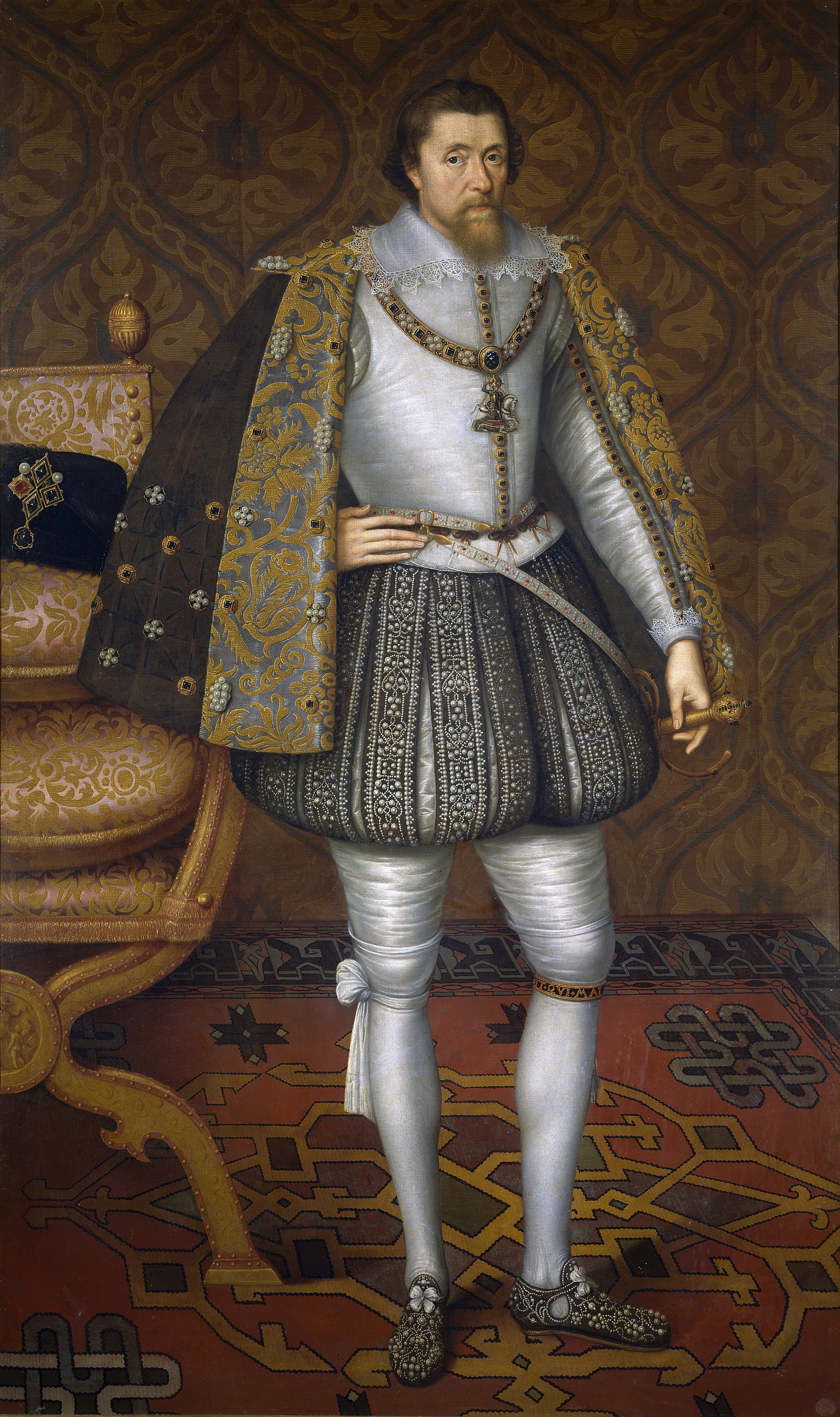
  • James VI and I (r. 1567-1625, 1603-1625)
  • Problems

Portrait of James I of England

Charles I (r. 1625-1649): Causing a Break

  • Dissolves Parliament (1629)
  • Religious Problems: Wife
  • Religious Problems: Calvinism in Scotland
  • Scottish nobles invade (1640)

Portrait of Charles I of England

English Revolution (1642-1651)

  • Parliament Recalled (1640)
  • King’s army & Parliament’s army
  • Fighting Begin in 1642

Interregnum (1649-1660): The Rise of Oliver Cromwell

  • Oliver Cromwell (1599-1658)
  • Charles I captured and executed (1649)
  • Institute of Government (1653)

Portrait of Oliver Cromwell

The Glorious Revolution (1688)

Charles II (r. 1660-1685)

James II (r. 1685-1688)

The Revolution: William and Mary (r.1689-1702)
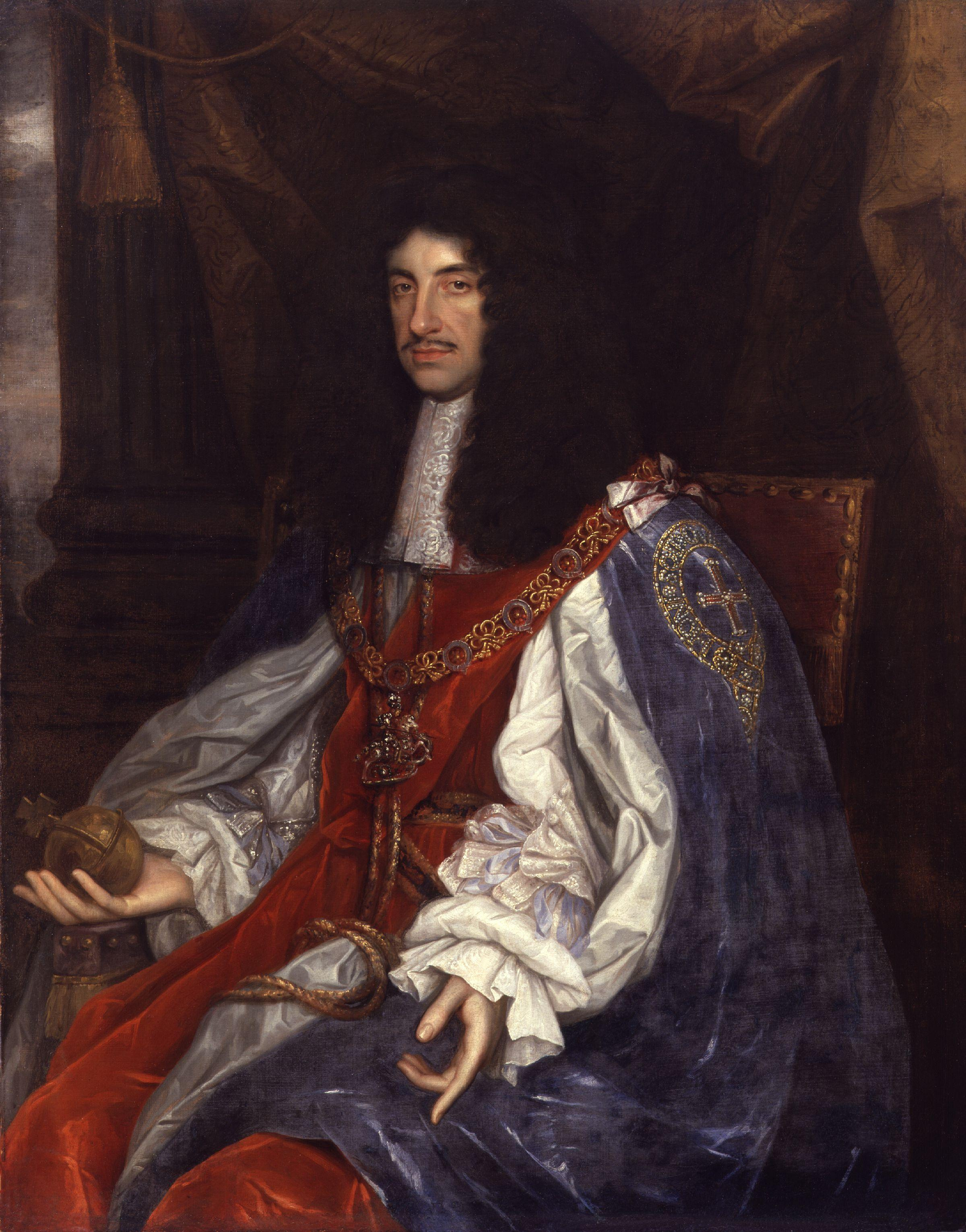
Portrait of Charles II

Portrait of James II

Portrait of William and Mary

English Constitutionalism: Outcomes

The Rise of the Gentry

Voting Rights: ~2-3% of the population

Charles Howard, Duke of Norfolk (1746-1815)
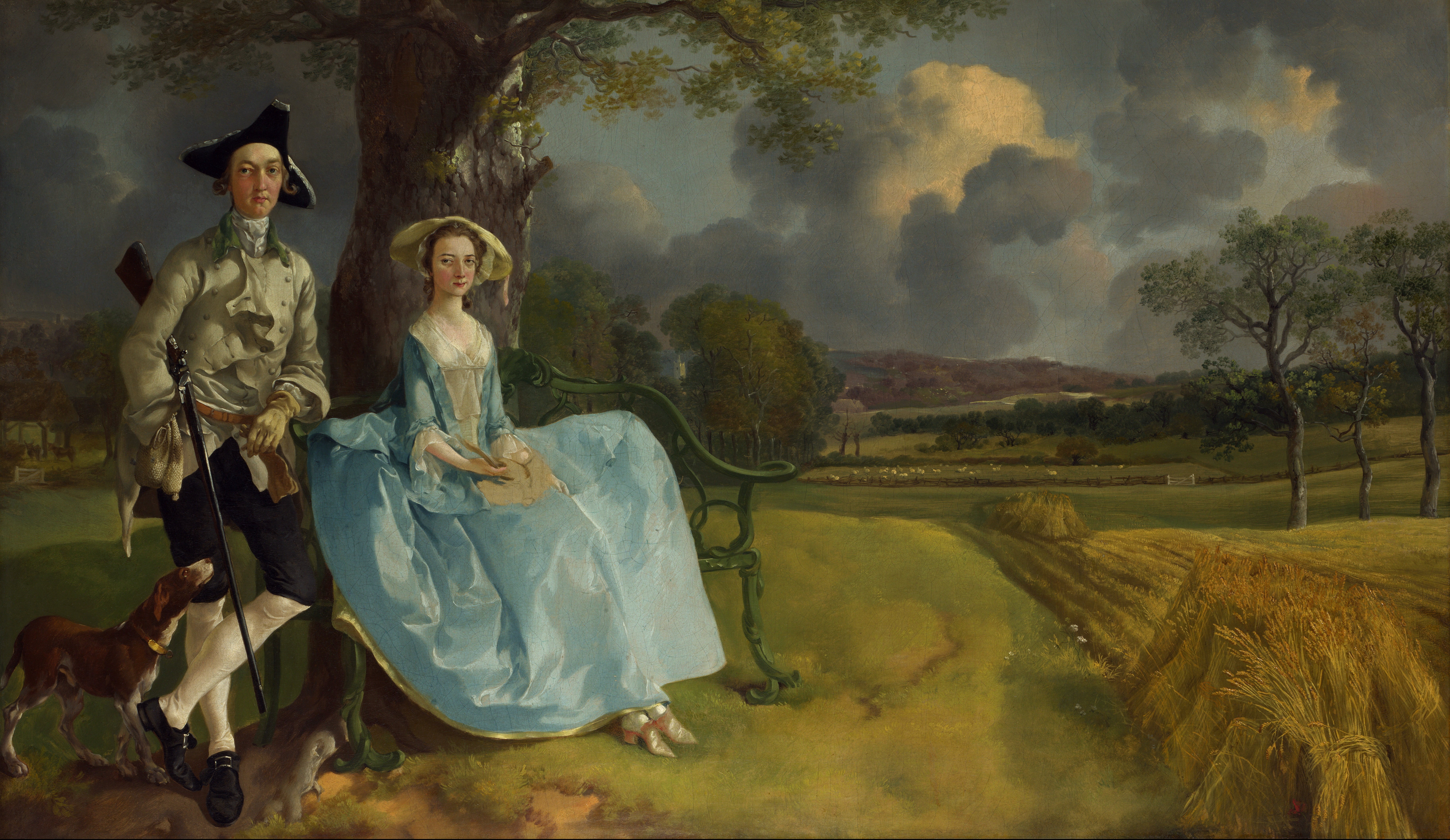
Painting of Mr and Mrs Andrews (1750)

Painting of Mr and Mrs Andrews (1750)

Image of Charles Howard, Duke of Norfolk