Recap:
- Where did cultural production take place in the Medieval Period?
- What was Humanism?
- How did it organize history?
The Renaissance Part II
- How is Brotton’s Renaissance different from Nauert’s?
- What are the limits of Nauert’s definition?
- How is Brotton’s definition broader?
What Was the Renaissance?
More than Humanism: A New Definition?
- Large states with growing bureaucracies
- Intense state competition driving intellectual, architectural, and artistic innovation
- Dramatic cross-cultural interactions around the globe.
- All interconnected with humanist learning.
- Outcome: cultural production moves to courts of kings and princes.
Changes to Society
- Growing Trade in 14th and 15th centuries
- Ottoman conquest of Constantinople (1453)
- Growing Centralized States
- Growing International Competition
Growing Trade in 14th and 15th Centuries
Increasing Trade (1200-1300s)
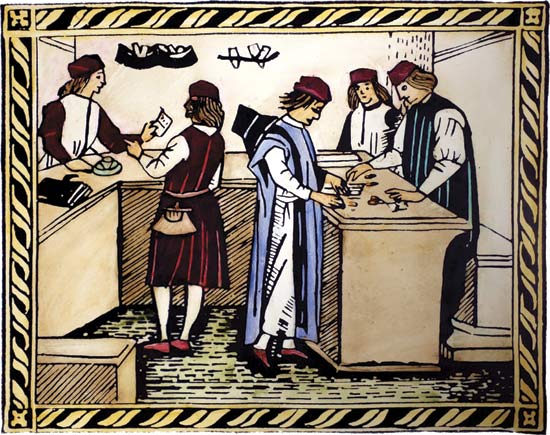
Banking, Finance, and Commerce (1300s-1400s)
Money multiplier effect
Lending to States



Ottoman Conquest of Constantinople (1453)
What did Brotton say about this?
Many Byzantines to Italy
Mehmed II (r. 1432-1481) and Constantinople/Istanbul A New Metropolis
Ottomans Conquer Mamluks (1517)
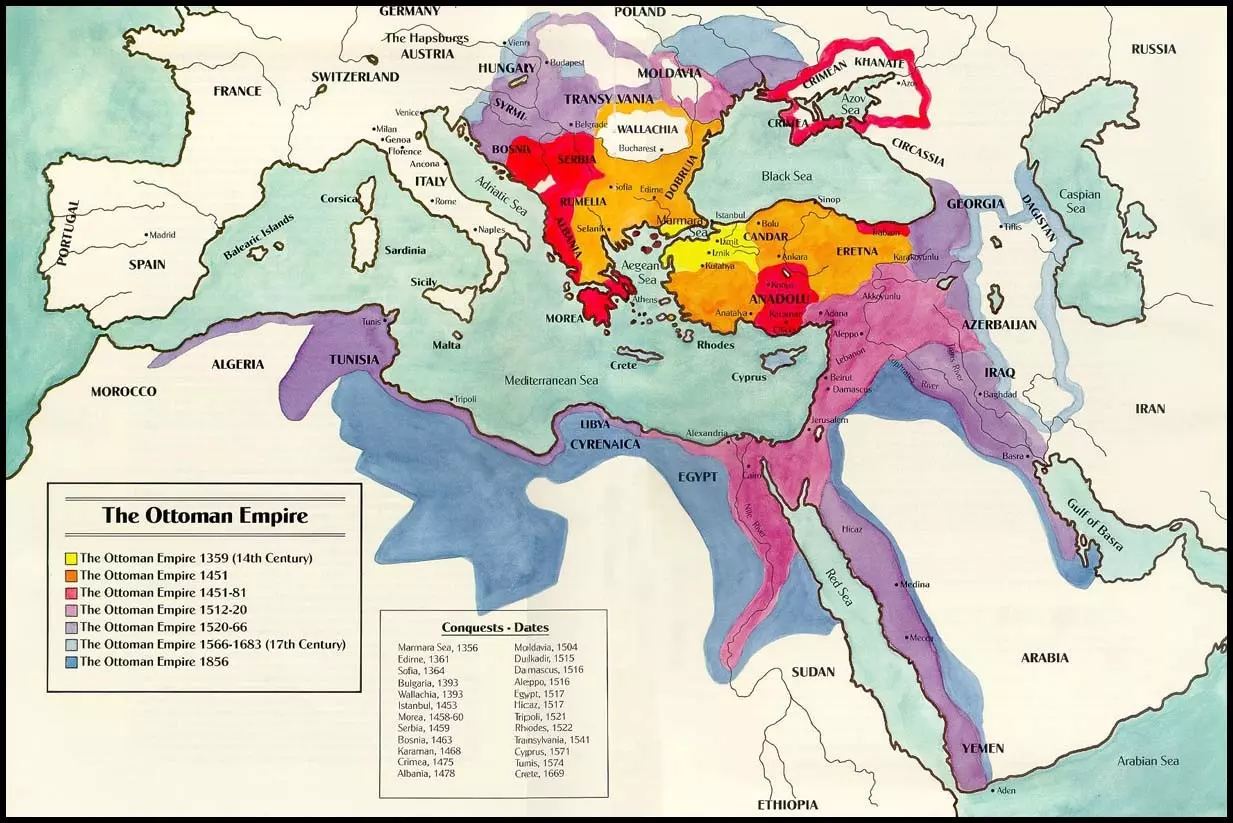
Growing Centralized States
Ottoman Empire
France
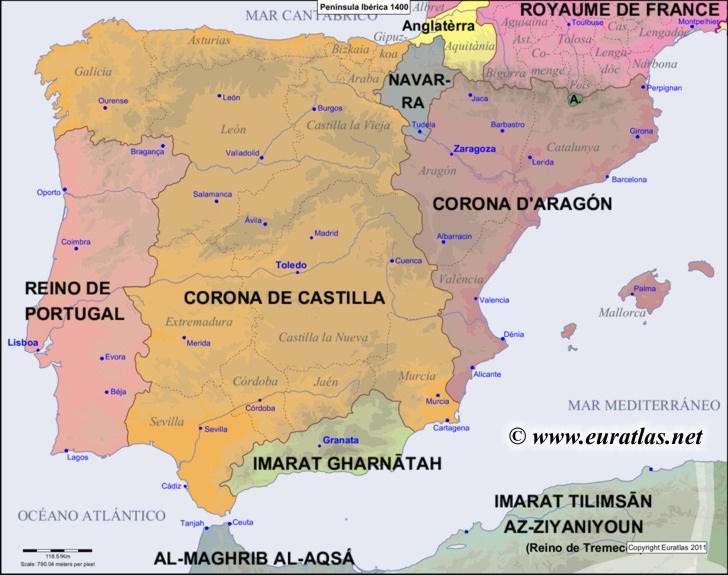
Spain (Castile/Aragon)
Charles V (r. 1519-1556)

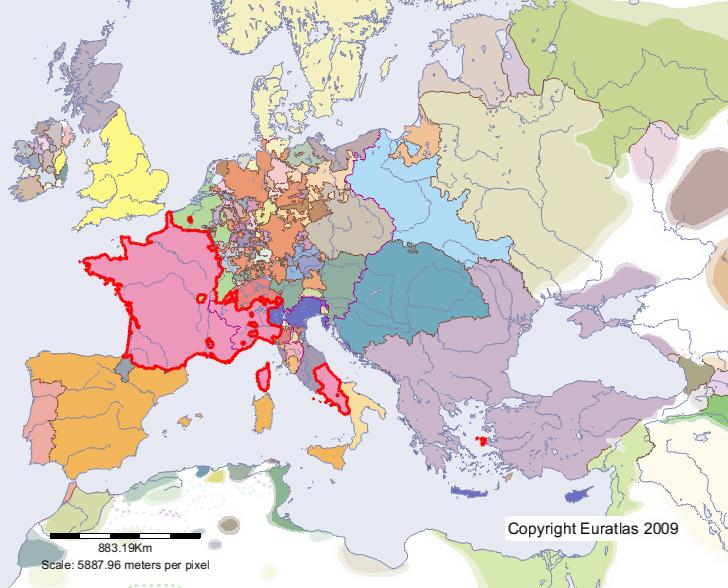
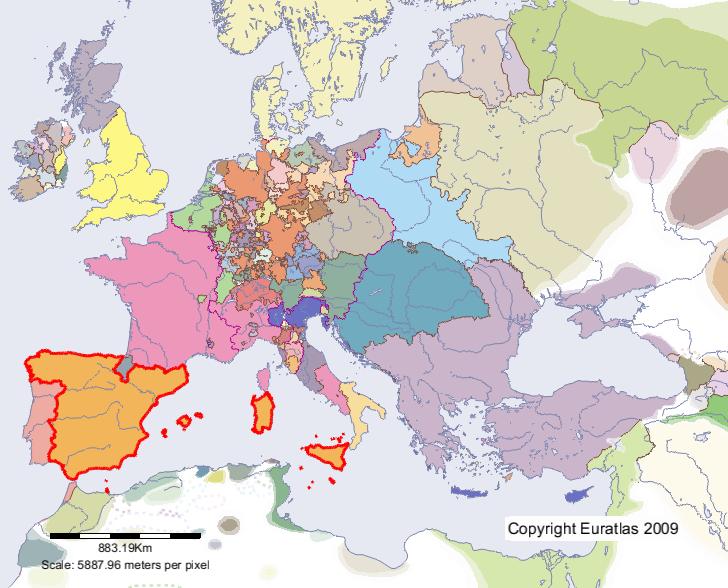
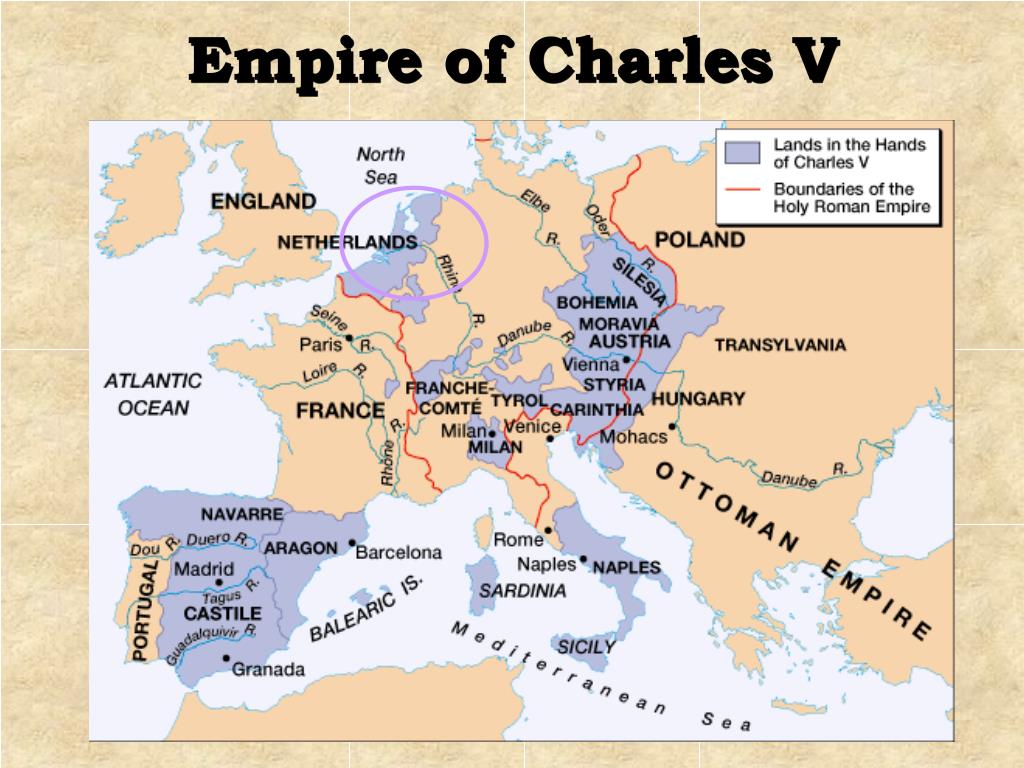
A Whole New System
Europe in 1450
Europe in 1520


Growing International Competition
Ottoman Siege of Otranto (1480-1481)
The Italian Wars (1494-1559)
Ottoman Habsburg Wars (1526-1572)

Created Environment That Needed Humanism
Humanist Trained Bureaucrats
- Nobility of the Robe vs the Sword
- New Courtly Positions
- Diplomats
- Treasurers
- Secretaries
Created Environment of Patronage
Moved Center of Culture from Universities to Courts
- Medieval: universities / monestaries
- Renaissance: princely courts
- Authors and patrons
- Artists, sculptors, builders considered craftsmen
Some Cross Cultural Examples
Sultan Suleiman (1520-1566)
Hagia Sophia
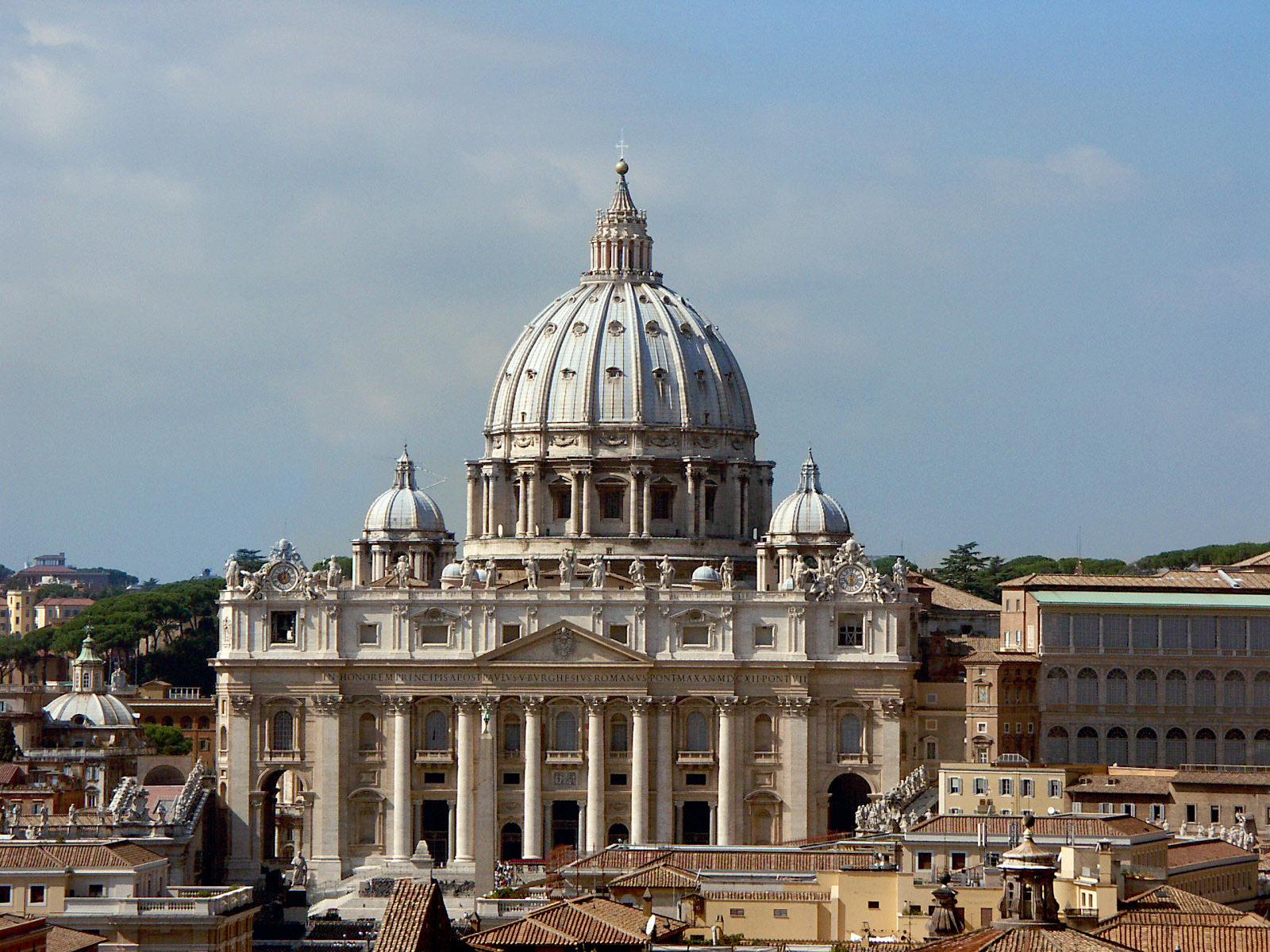
St. Peter’s Basilica
Bellinis’ St. Mark’s Basilica