Week 8: The Muslim Threat
Europe’s Reformation
Overview
Two Arguments
Conflict with the Ottoman Empire distracted the Habsburgs from focusing on the Protestant Reformation and forced them to make concessions to the Protestants in order to secure their support against the Ottomans.
The Reformation simultaneously turned traditional allies into cross-confessional allies, making alliances with the Ottomans easier to justify and use against the Habsburgs.
The Ottoman Empire
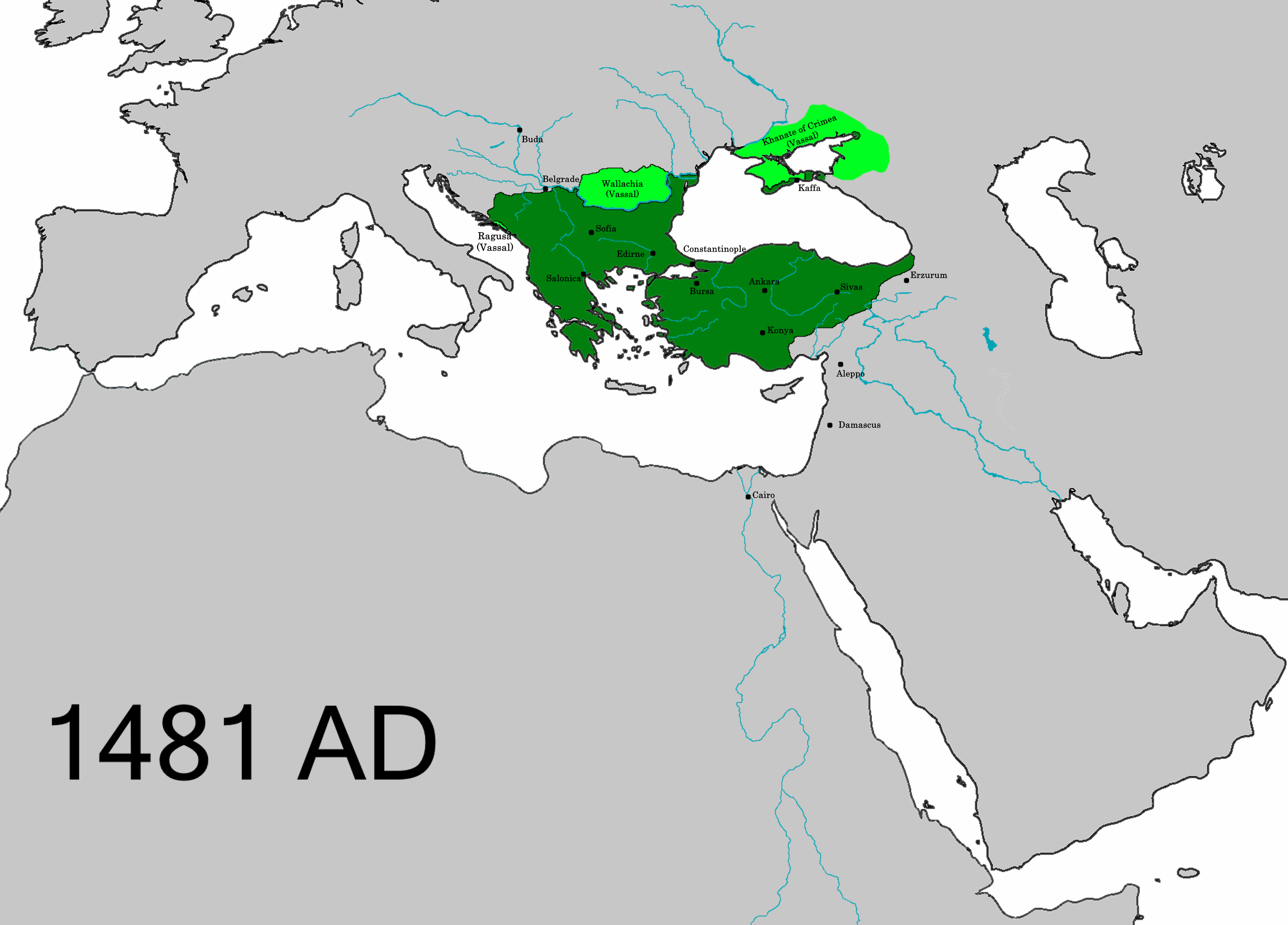
Founded in 1299 by Osman I.
Muslim Empire, majority Christian subjects.
Conquered Constantinople in 1453.
1517: Conquered Egypt, Syria
Ottomans: The Eastern Front
1517: Conquered Egypt, Syria
1526: Conquered Hungary
1529: First Siege of Vienna
Ottomans: The Western Front
Reconquista since 1492. (Oran, Bejaia, Tripoli)
Ottomans conquers Egypt 1517.
Ottomans conquers Algeria 1518.
Ottomans conquers Tunisia 1534.
Charles V siege of Tunis 1535.
Christian European Reactions
A United Front.
Nicropolis (1396), Varna (1444), Treaty of London 1518.
The Scourge of God.
The New Turks.
United Front :
Crusade of Nicropolis (1396) .
After Ottoman conquest of Nicropolis in Bulgaria.
Crusade led by Hungary, but including France, the Holy Roman Empire, and others sent troops.
Terrible defeat.
Crusade of Varna (1444) .
Hungary, Croatia, Poland, Serbia, Wallachia vs Ottomans.
Ottomans successful.
Treaty of London (1518) .
Henry VIII, Francis I, Charles V, Pope Leo X.
Agreed to a united front against the Ottomans.
However, this treaty was not very effective, as the European powers were more focused on their own conflicts and interests than on fighting the Ottomans.
Became a common motif. Call for crusade against the Ottomans, but then attack each other.
The Scourge of God :
The Ottomans were the rod of the fury of God to punish Christians for their sins of internal divisions.
“We must not be amazed if God is now punishing the Christians through the Turks as he once punished the Jews when they forsook their faith.”
The New Turks :
Protestants :
Saw the Ottomans as the physical embodiment of the Antichrist, while the Catholic Church was the spiritual embodiment of the Antichrist.
Some hoped the Catholics and the Ottomans would destroy each other, while others hoped the Ottomans would defeat the Catholics and allow Protestantism to spread.
Luther:
Luther argued that Christians should not support the fight against the Ottomans, because it was God’s punishment.
Later changed position, and could support if only it was part of a just war not involving the Pope.
Catholics
Viewed the Protestants and Ottomans as two sides of the same coin.
Conflated the two.
Protestants were new Turks.
Protestants didn’t allow graven images.
Emphasized similarities in their theology.
Cardinal Reginold Pole (archbishop during Mary’s reign):
said Protestants were the domestic Turks.
Germany managing Protestants and Ottomans
Diet of Speyer (1526).
Diet of Augsburg (1530).
Schmalkaldic League (1531)
Battle of Mohacs (1526).
Diet of Regensburg (1527-1528).
First Siege of Vienna (1529).
Religious Peace of Nuremberg (1532)
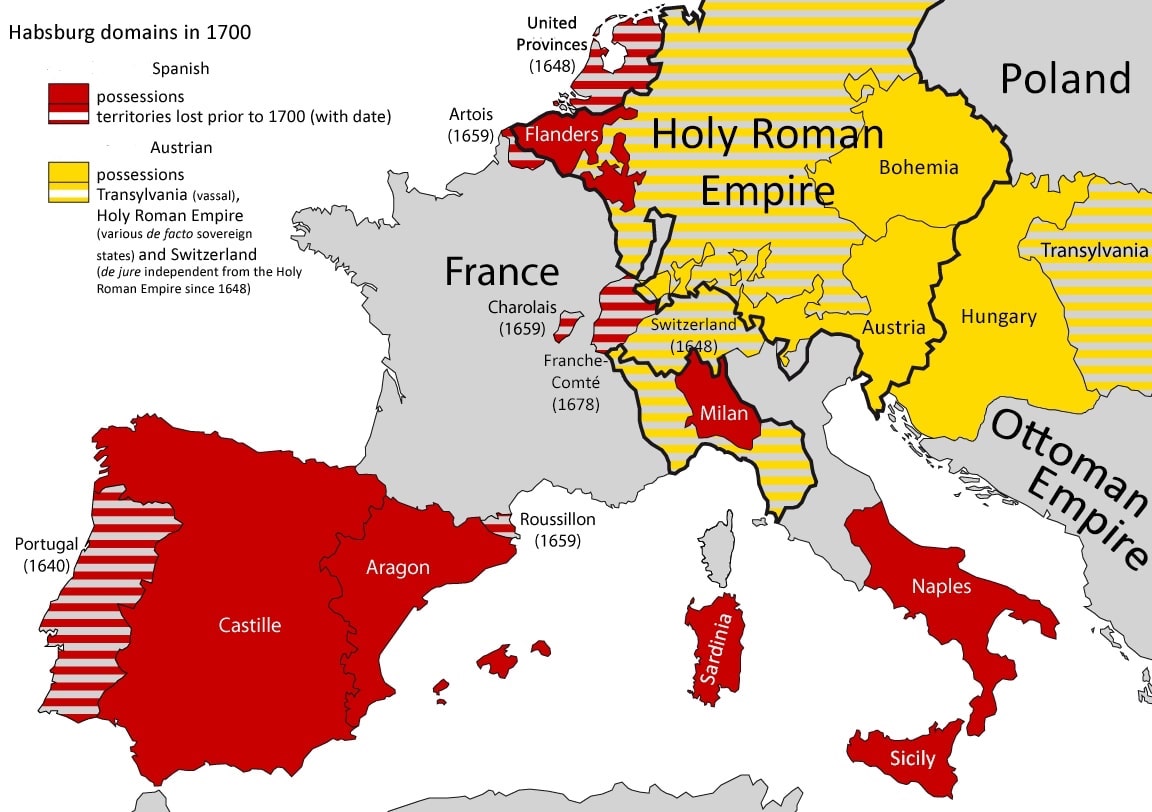
The Diet of Speyer in 1526 allowed each prince to choose whether to support the Reformation or not, which led to a patchwork of Protestant and Catholic territories in the Holy RomanEmpire.
After Speyer, Princes refused support against Ototmans without concessions to the Protestants.
Feared money and arms would lead to a loss of concession at speyer.
The Diet of Augsburg in 1530 was an attempt at compromise, but it failed.
Diet of Regensburg (1527-1528) :
Formally rejected request for assistance in Hungary.
New Diet in 1528
Asking more support in Hungary.
Protestants (Saxony and others) made support in Hungary dependant on concessions to the Protestants.
They couldn’t spare any men when their own cause was in danger.
First Siege of Vienna (1529) :
Broke the unity of the Protestants.
Couldn’t push beyond the Speyer concessions, but also didn’t lose any.
After 1529, refocus by empire on domestic Protestant issue.
Diet of Augsburg in 1530.
Attempt at compromise.
Melanchthon drafted the Augusburg Confession.
Emphasized the body of christ in the Eucharist.
Accepted Papacy as weilding historically evolved authority.
But not as derived from Christ granting it to St. Peter.
Failed.
Ordered Lutherans to rejoin Catholic church in 1531.
Schmalkaldic League (1531)
Defensive alliance of Protestant princes against the Holy Roman Emperor Charles V.
Refused supply to aid granted for the defense of the empire against the Ottomans.
Refused to elect Ferdinand as King of the Romans in 1531.
Religious Peace of Nuremberg (1532) :
Charles V accepted:
Lutheran territorial claims.
Preaching of Lutheranism outside those territories.
Significance :
Schmalkaldic League set a precedence for behavior that would continue throughout the next decade of conflict between the Protestants, Habsburgs and Ottomans.
The Dutch Revolt and the Ottomans
Charles V abdicates in 1556.
Dutch Revolt (1568)
Spanish Road.
Mediterranean Conflicts: Lepanto (1571), Tunis(1573-4).
Spanish Bankruptcy (1575, 1596).
Mediterranean conflicts:
1571: Battle of Lepanto.
Holy League (Spain, Venice, Papal States) vs Ottoman Empire.
Holy League won, but it was a pyrrhic victory that did not significantly weaken the Ottoman Empire.
1574 Reconquest of Tunis.
Tunis conquered in 1534
Charles V reconquered in 1535.
Reconquered again by Ottomans in 1569.
Spain after Lepanto takes Tunis in 1573.
Ottomans reconquer Tunis in 1574.
1575: Spanish Bankruptcy:
owed 36 million ducats (6-7 years of revenue).
1575 Peace of Breda in 1575:
Spain supported a peace in the Netherlands to focus on the Ottomans.
“Liever Turks dan Paaps” (Rather Turks than Papists) in 1570s:
Dutch Protestants preferred Ottoman rule to Catholic Spanish rule.
1581: 13 million ducats revenue, with 80 million ducats in debt.
1581: Philip II peace with Ottomans. (recurring truce)
1596: bankruptcy again.
Significance :
Spanish focuse on Mediterranean distracted Philip II from the Dutch Revolt, which allowed the Dutch to gain independence and become a major Protestant power in Europe.