Week 7: The Catholic Reformation
Europe’s Reformation
Overview
- Union of 4 Aspects:
- Spiritual Energy associated new Religious Orders.
- Renewal of Moral Authority after Council of Trent (1545-1563).
- Criminalizaing Protestantism.
- Popular Loyalty to Catholicism.
The Jesuits
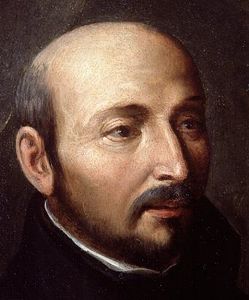
- Ignatius of Loyola (1491-1556).
- Founded the Society of Jesus (Jesuits) in 1540.
- Focused on education, missionary work, and combating Protestantism.
Jesuit Schools
- 1548, started a school in Messina, Italy.
- Humanist Education.
- Education to counter Protestantism.
- Created a global network of schools.
Jesuits Abroad
- Francis Xavier (1506-1552) was the first Jesuit missionary.
- He traveled to India in 1542, then to Japan in 1549.
- Jesuits in North America:
- 1608, founded a mission in Quebec.
- 1611, founded a mission in New France (Canada).
Other Orders.
- The Capuchins (1528) focused on preaching and caring for the poor.
- The Ursulines (1535) focused on educating girls
Basics
- Three sessions: 1545-1547, 1551-1552, 1562-1563.
- Pronouncments on doctrine:
- Salvation.
- Church Tradition.
- Priestly reforms.
- Seeking out Heresy
Impact
- Reaffirmed Catholic doctrine.
- Reformed the clergy.
- By 1600, Papacy had regained much of its moral authority.
Criminalization of Protestantism
Rulers and Heresy
- Rulers and providentialism. (divine right)
- Medieval heresy laws: treason against God.
- Spanish Inquisition (state court to suppress heresy)
- Others used provincial courts to suppress heresy.
Popular Loyalty to Catholicism
Novelty = Bad
- Peasants tended to hold closely to Catholicism.
- Lutheran success in peasantry. (Finland & Norway)
- Reactions to iconoclasm.
Lay Confraternities
- Urban groups centered around a particular church or parish.
- Organized by laypeople.
- Involved in charitable work and religious activities.
- Major source of popular loyalty to Catholicism.